
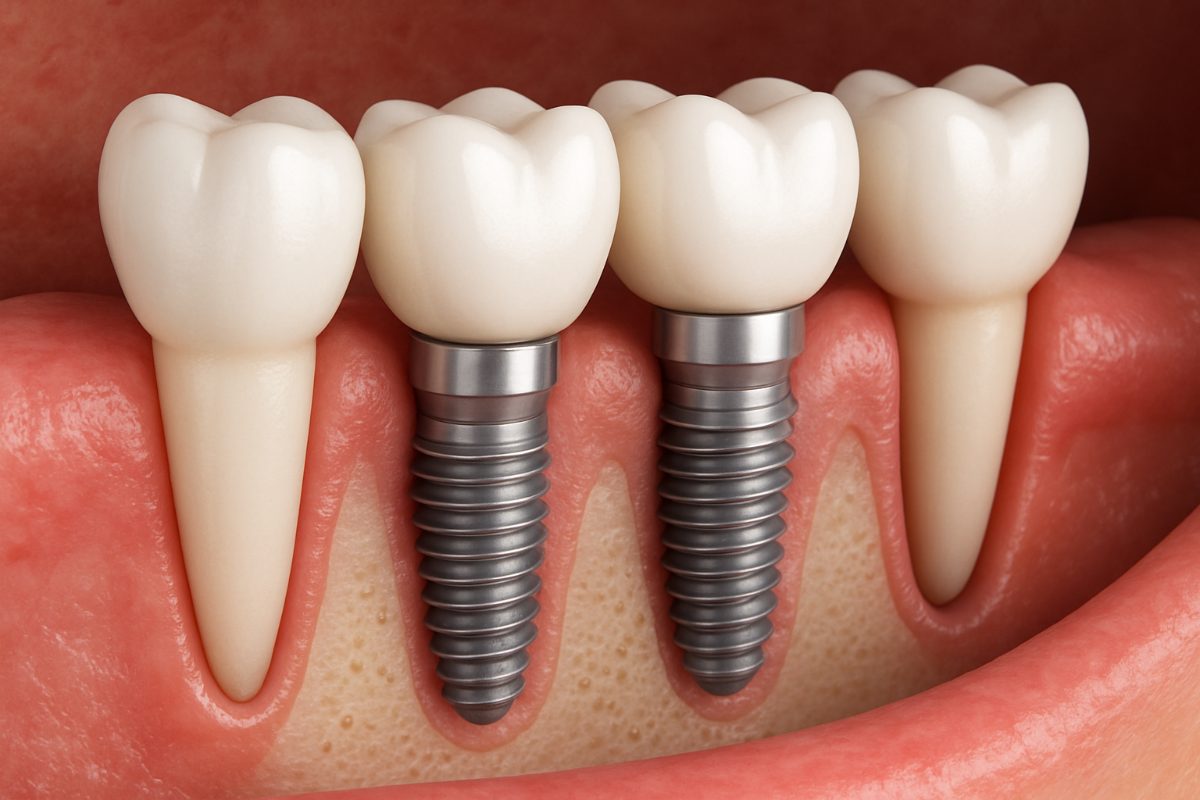
If you’re wondering how to do implants dental in Whitby, Ontario, this plain‑language guide walks you through what to expect. You’ll learn who makes a good candidate, the planning and surgical steps, how restorations are done, and what recovery looks like. This is for people thinking about a single implant, several implants or a full‑arch solution who want a clear, practical overview before booking a consult.
Who is a good candidate?
Good candidates are generally adults with controlled medical conditions, adequate jawbone volume, and good oral hygiene. Smoking and uncontrolled diabetes raise risks and may need management first. Candidates should have realistic expectations: a single implant replaces one tooth, while full‑arch work is more involved and may need bone grafting or additional planning.
How to do implants dental: step-by-step overview
Initial consultation: review health history, exam and discussion of goals. Imaging and planning: 3D scans and digital impressions map bone and nerves. Surgery: implants are placed into the jawbone under local or sedative care. Healing: bone integrates with the implant over weeks to months. Restoration: a crown, bridge or full‑arch prosthesis is attached when stable. Follow‑up: regular checks and hygiene visits keep implants healthy.
Diagnostics and digital planning
CBCT scans give three‑dimensional views of bone and nerve anatomy. iTero digital impressions remove messy putty and create accurate 3D models. Digital Smile Design lets you preview and adjust the planned final shape and position of teeth. Together these tools reduce guesswork and increase predictability.
Surgical techniques and what to expect
Modern placement is often minimally invasive, with small incisions and precise drilling. Guided surgery, like dynamic navigation, directs implants to planned positions in real time. PIEZOSURGERY is used for careful bone work, and PRF (from your blood) can speed healing. Sedation options range from nitrous oxide to IV sedation with an anaesthesiologist for comfort.
Restoration options: crowns, bridges, and full-arch
An implant‑supported crown replaces one tooth and looks natural. Bridges attach multiple crowns to implants for several missing teeth. Full‑arch solutions (Teeth‑in‑a‑Day®) provide a fixed prosthesis for a whole jaw, often delivered same day. In‑office milling like E4D can produce fast, precise restorations.
Recovery, maintenance and long-term success
Initial healing includes mild swelling and tenderness for a few days. Home care focuses on gentle cleaning, avoiding hard foods, and following prosthesis care instructions. Regular professional checkups and hygiene help prevent peri‑implantitis. Laser therapy and professional cleanings are tools to manage gum health around implants.
Risks, costs and financing basics
Common risks include infection, nerve irritation, or implant failure—most are uncommon with good planning. Cost depends on number of implants, bone grafting, and the type of prosthesis. Many plans offer direct billing; third‑party financing (e.g., iFinance, Beautifi) helps spread payments. Confirm what your insurance will cover before starting.
Why choose Durham Dental Solutions for implants
Durham Dental Solutions is an implant‑only centre in Whitby with 30+ years’ focused experience. Founders Dr. Mark Bishara and Dr. Sheri Margolian are known for teaching and research. The clinic combines on‑site lab work with Navident dynamic navigation, CBCT, Digital Smile Design, iTero scanning, PIEZOSURGERY, PRF and E4D milling to provide predictable, start‑to‑finish care with sedation options when needed.
How to get started
Book a consultation and bring any recent images. Ask about treatment options, estimated timelines, costs and financing, plus sedation choices. At your first visit expect a health review, exam, CBCT scan if needed, and a clear plan you can review before any surgery.